Spotting Trimmed Cards Pre-1970
Most collectors think they are looking for a butcher job. Bright white edge, too-small card, hacked corner, done. That catches the easy ones.
The problem is the dangerous trims are not trying to look trimmed. They are trying to look just clean enough that you accept the card at face value and move on.
On pre-1970 material, especially expensive stars and condition-sensitive issues, trimming is one of the oldest tricks in the room. Not because every vintage card is altered. Most are not. Because a tiny size change on the right card can move real money.
Start with the issue, not the edge
Different sets age differently. Different stock cuts differently. If you do not know what a normal example looks like, you will talk yourself into a bad one because the card feels "sharp."
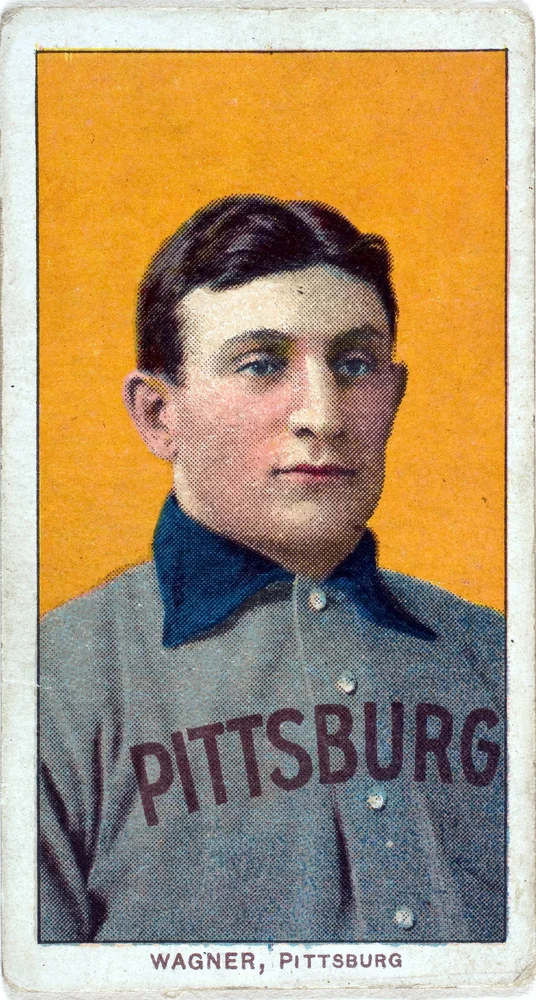
T206 edges should not look machine-perfect. 1933 Goudey can show real age and still carry color. 1952 Topps can have honest roughness. 1948 Leaf often has messy factory cuts and print weirdness. 1970s issues can look cleaner overall, but even there, factory inconsistency exists.
So the first question is not, "Does this edge look sharp?" It is, "Does this edge look natural for the issue?"
Four trim tells that matter
1. The edge texture is wrong
A naturally cut vintage edge usually has a little life to it. Fiber, slight roughness, period-appropriate wear. A trimmed edge can look too smooth, too flat, or too uniform compared to the other three sides.
Watch especially for one side that looks younger than the rest of the card. A card with rounded corners, toned borders, and one suspiciously crisp edge is telling you something.
2. The proportions feel off
You do not always need exact measurement to feel trouble. Sometimes the top and bottom borders feel normal, but the side-to-side footprint looks compressed. Sometimes the player image sits strangely close to one border in a way that feels more severe than ordinary off-centering.
For high-dollar cards, measurements matter. A trimmed card is often close enough to pass quick handling but far enough off to fail comparison against a known authentic copy.
3. The corners do not match the edge story
This is the tell dealers notice fast.
If the corners are worn naturally but one adjacent edge is unusually crisp, that mismatch matters. If a card is supposedly EX but the corners suggest age while the cut suggests yesterday, something got cleaned up.
The most common visual mismatch is this: soft upper-left and lower-left corners, naturally worn top edge, then an unnaturally fresh right edge that seems to rescue the presentation. That is not proof. It is enough to slow down.
4. The border width looks improved, not natural
Trimming is often about presentation. Someone wants to remove a frayed edge, improve centering perception, or tighten a border that looked sloppy. If the card seems "conveniently better" in the exact place vintage cards usually get ugly, take the hint.
Compare sides against each other
One of the easiest habits to build is side-by-side internal comparison. Do not inspect each edge in isolation. Compare all four.
Ask:
- Does one side have a different gloss reflection?
- Does one edge carry less aging or toning?
- Are the fibers consistent?
- Do the corners transition naturally into the edge?
Trim jobs often fail here because the altered side looks technically cleaner but emotionally wrong. That sounds vague until you see enough cards. Then it becomes obvious.
The trim tell is usually not "this looks fake." It is "one part of this card is not aging with the rest of it."
Size is a tool, not a crutch
Yes, measure the card. No, measurement alone is not enough.
Factory variation exists. Prewar issues especially can wander. Some vintage cards run slightly large or slightly small. If you declare a card trimmed because it is a hair short without understanding issue tolerance, you will reject good cards.
What measurement gives you is confirmation. If the edge story is off and the size is short, your case strengthens. If the edge story is off but the size is normal, you may be looking at edge work, restoration, or just a weird cut. Either way, you still do not have a clean buy.
Watch the expensive repeat offenders
Trim risk rises where value gaps are large and paper stock invites cleanup.
That means extra caution around:
- T206 stars
- 1933 Goudey Ruth and Gehrig cards
- 1948 Leaf Robinson and major rookies
- 1952 Topps high numbers, especially Mantle
- key football and basketball rookies where a one-grade bump is worth the trouble
These are not the only altered cards in the hobby. They are just the ones where motivation is strong and buyer optimism is always available.
Auction photos versus in-hand
Photos can help. They can also hide exactly what matters.
Straight-on scans flatten edge texture. Bright auction lighting can wash out fibers. Cropped listings can remove the side you most needed to inspect. That is why trim risk on expensive raw cards bought remotely should always cost money in your head.
If the card is important and the seller gives you only front-and-back scans with no angled shots, that is not enough. If the listing language spends more time talking about rarity than condition specifics, that is not enough either.
The buying rule
Do not buy the card just because you cannot prove trimming from photos. Buy it only if the card gives you a coherent story.
Natural size. Natural edge texture. Natural corner transitions. Natural aging. Those four things do not guarantee safety, but they put you in the right lane.
When one side starts telling a different story than the rest, stop trying to rescue the deal. Vintage always gives you another card eventually. It does not always give you your money back.
What to do with this
- Compare suspected trims against known-good examples from the same issue before you decide a sharp edge is a plus.
- Price remote raw purchases with a trim-risk discount unless the seller shows angled, detailed edge photos.
- Walk from any card where one edge looks newer than the rest of the card's life story.