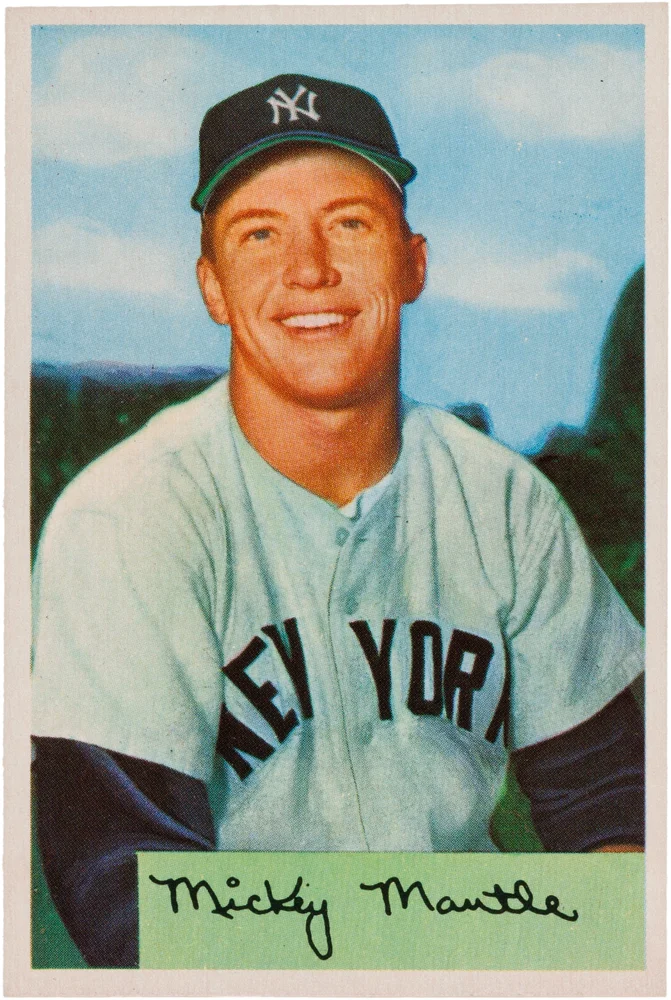
The 1952 Topps High Numbers
Why the back half of one set carries most of its value.
7 min read · 2026-06-20
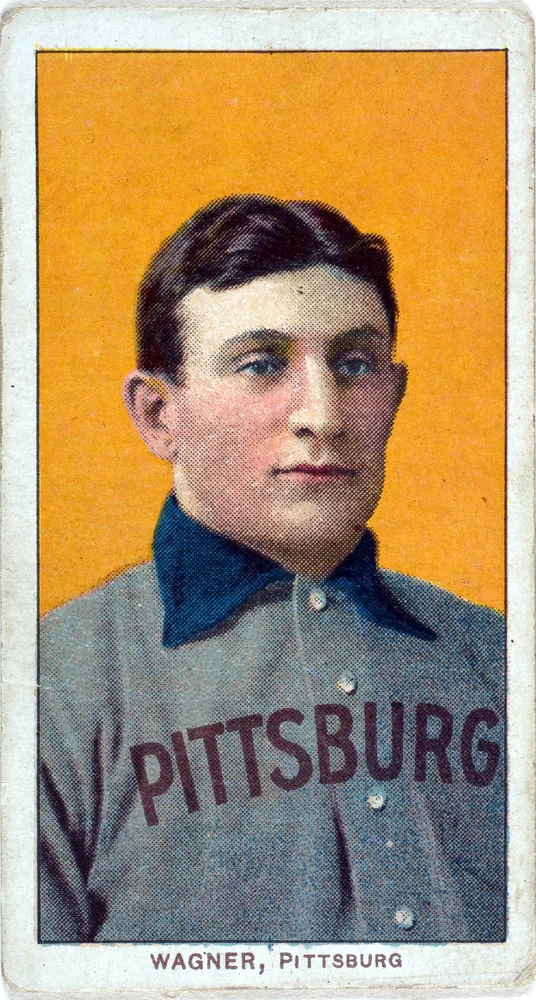
Buying Raw vs. Slabbed: A Decision Framework
When the holder is worth it, and when you're paying for plastic.
7 min read · 2026-06-18
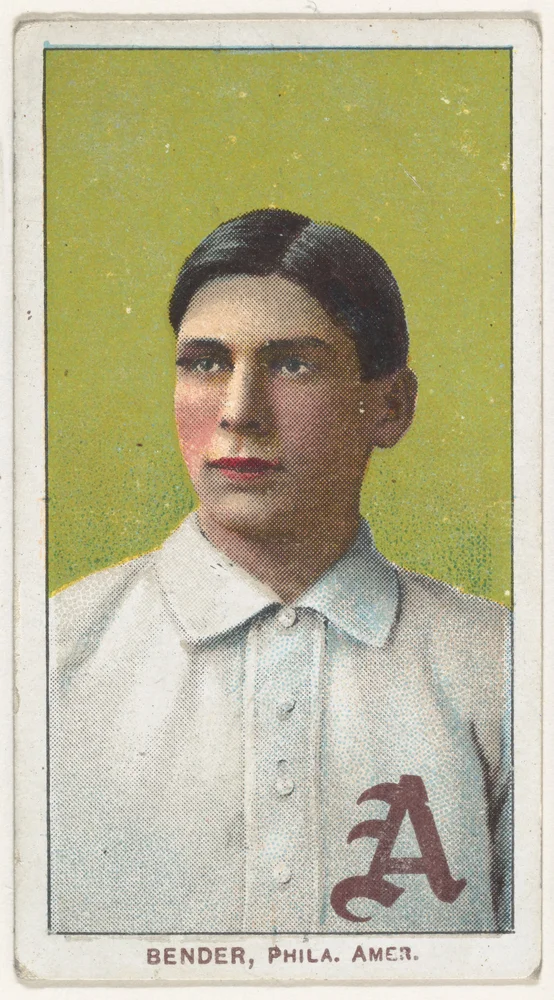
Population Reports and Why They Move Markets
Supply you can count changes how a card is priced. Until it doesn't.
7 min read · 2026-06-13
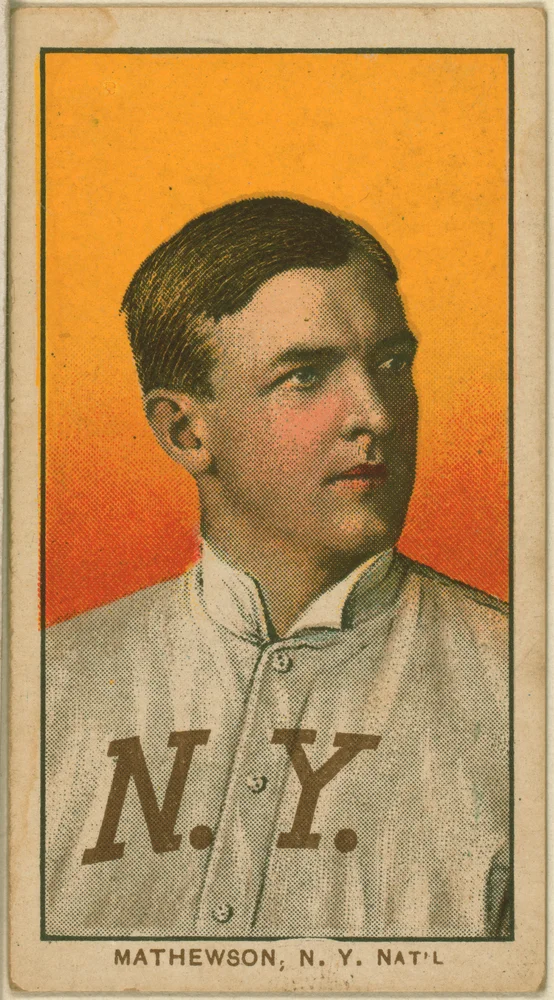
Centering, Corners, and the Language of Grading
Four sub-grades decide a card's fate. Learn to read them before the grader does.
8 min read · 2026-06-06
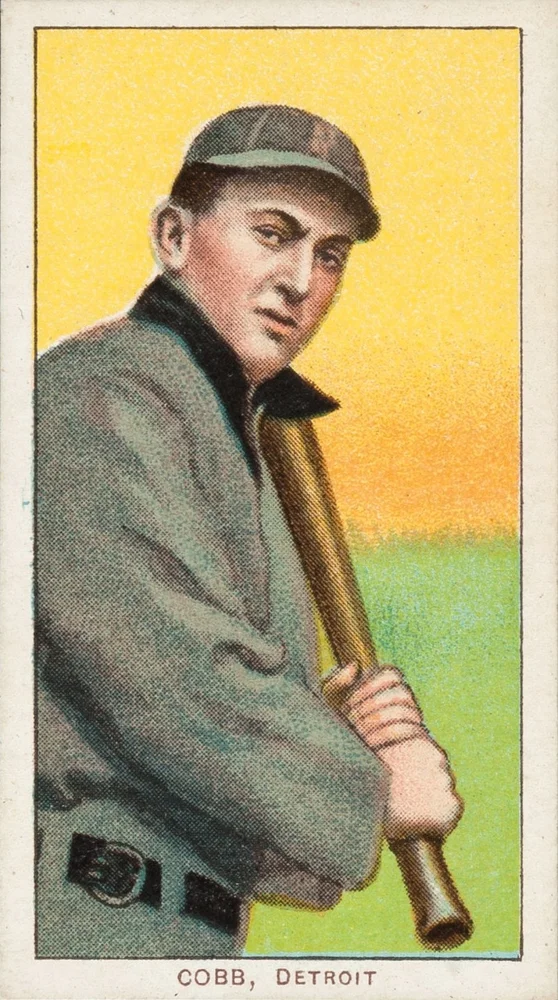
Rookie Card Mythology
The rookie premium is real, sometimes. The rest is marketing.
7 min read · 2026-05-30
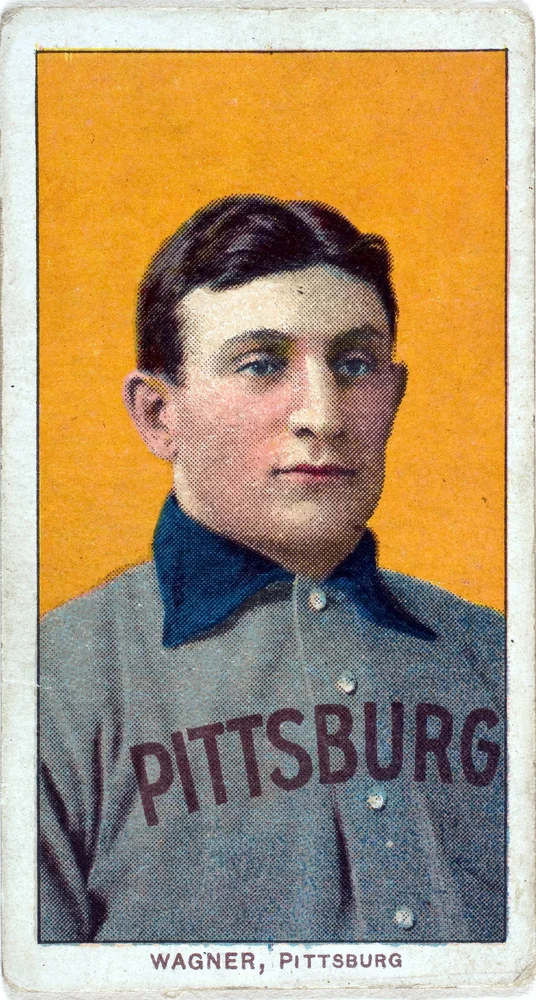
The T206 Back Hierarchy, Explained
The front is the same. The back is where the money is.
8 min read · 2026-05-23
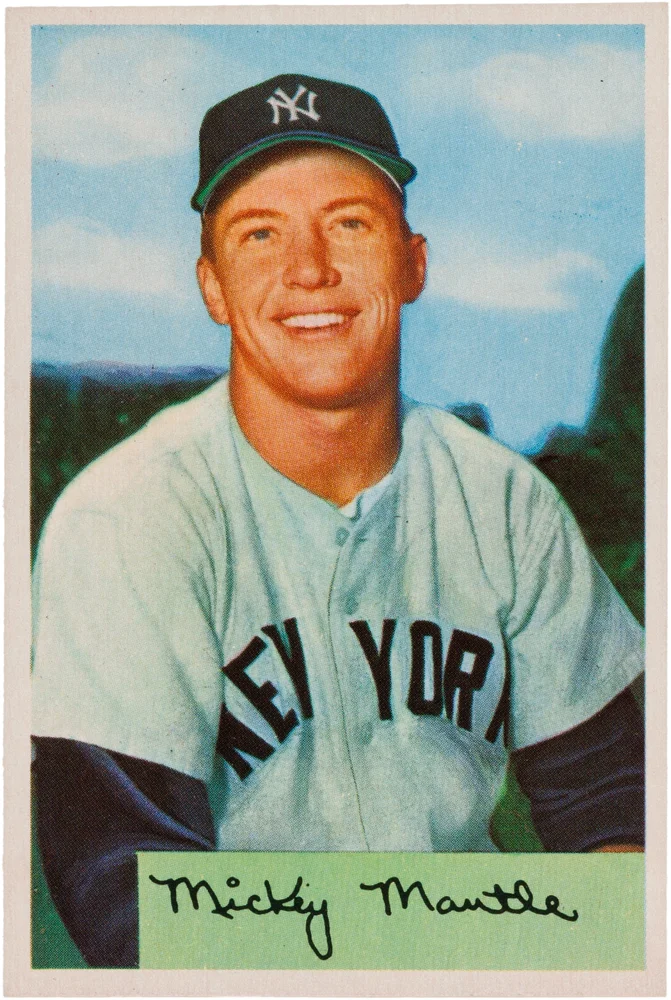
Reading a Comp: What the Median Hides
A single number can lie. Here is how to read a price like a dealer.
8 min read · 2026-05-16
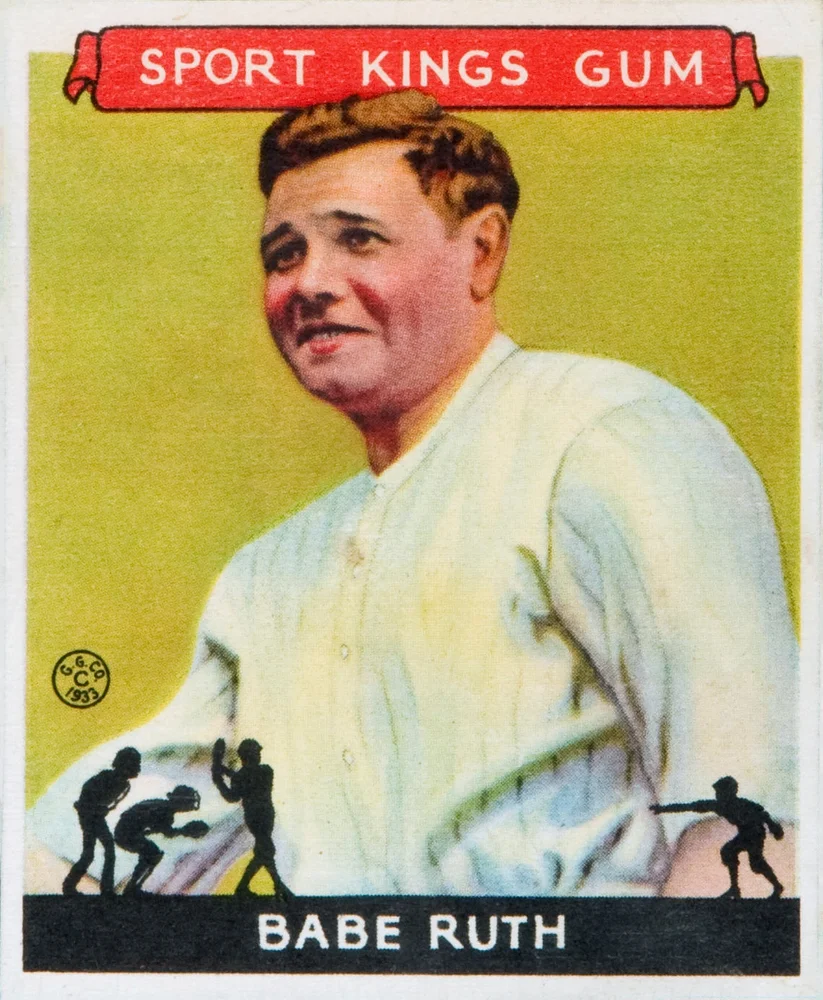
Why a PSA 10 Isn't Always the Play
The top grade is not always the smart buy. Sometimes the 8 is the whole game.
7 min read · 2026-05-09
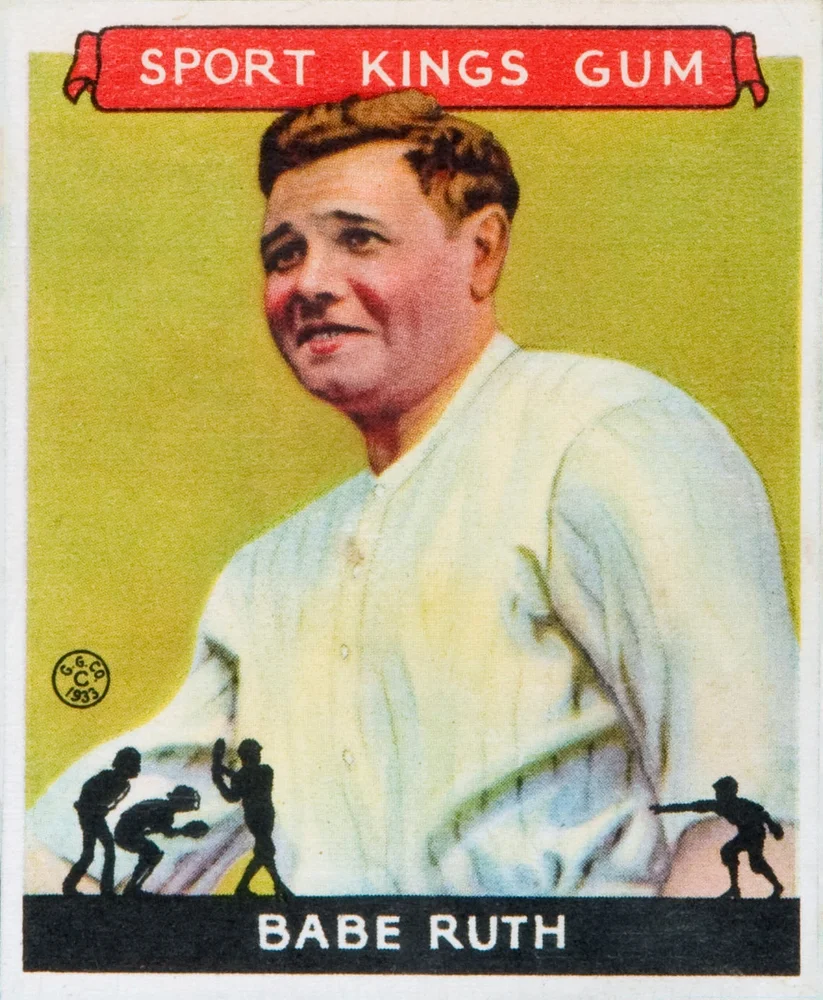
The 1933 Goudey Ruth: Four Cards, One Legend
Goudey put Babe Ruth on four cards in one set. The market never treated them equally.
7 min read · 2026-05-02
How to Spot a Reprint: The Tells That Survive
Paper, ink, and gloss give away almost every fake. You just have to know where to look.
8 min read · 2026-04-25
Raw Condition Was the Wedge All Along
The real pricing gap in vintage was never hidden in rare data. It was sitting in plain sight on dealer tables.
6 min read · 2026-04-18
The Cross-Sport Grail: Mapping Baseball to Hockey
Different cardboard, same collector psychology.
7 min read · 2026-04-12
The 1909-11 T206 Set: Why It Still Sets Records
Because the set is not just scarce. It is endlessly collectible.
7 min read · 2026-04-06
Why a 1952 Mantle Beats a 1951 Bowman
It is not the rookie-card argument. It is the icon argument.
6 min read · 2026-03-31
The Honus Wagner Problem
The most famous card in the hobby is also one of the least useful cards to learn pricing from.
6 min read · 2026-03-25